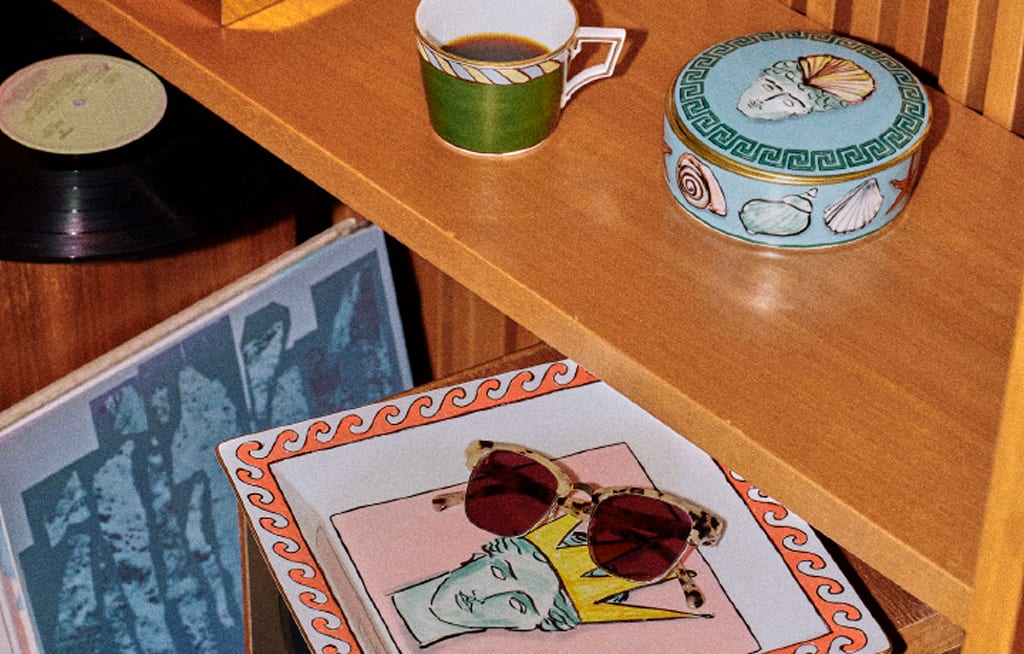



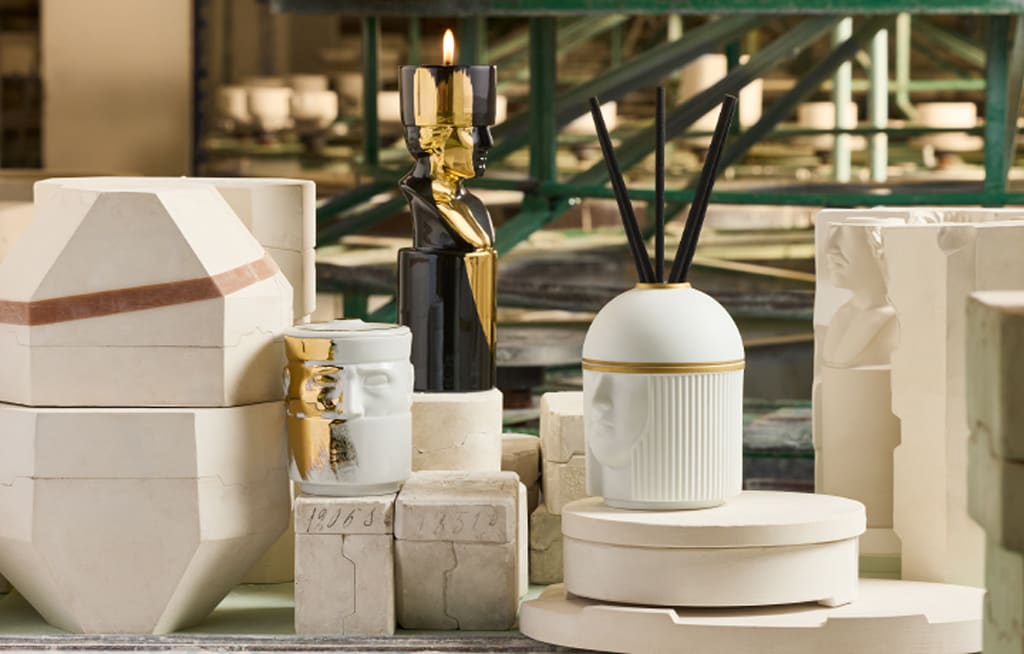


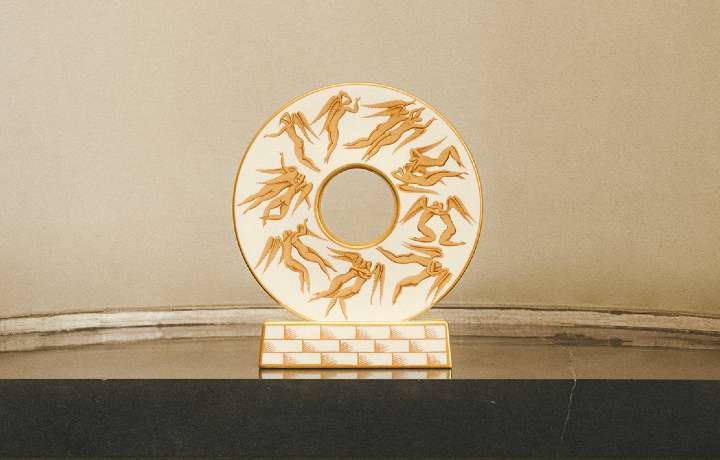











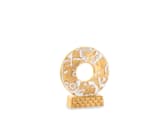
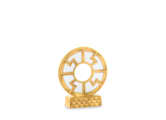
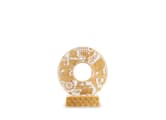


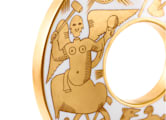
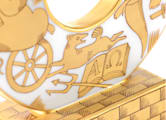

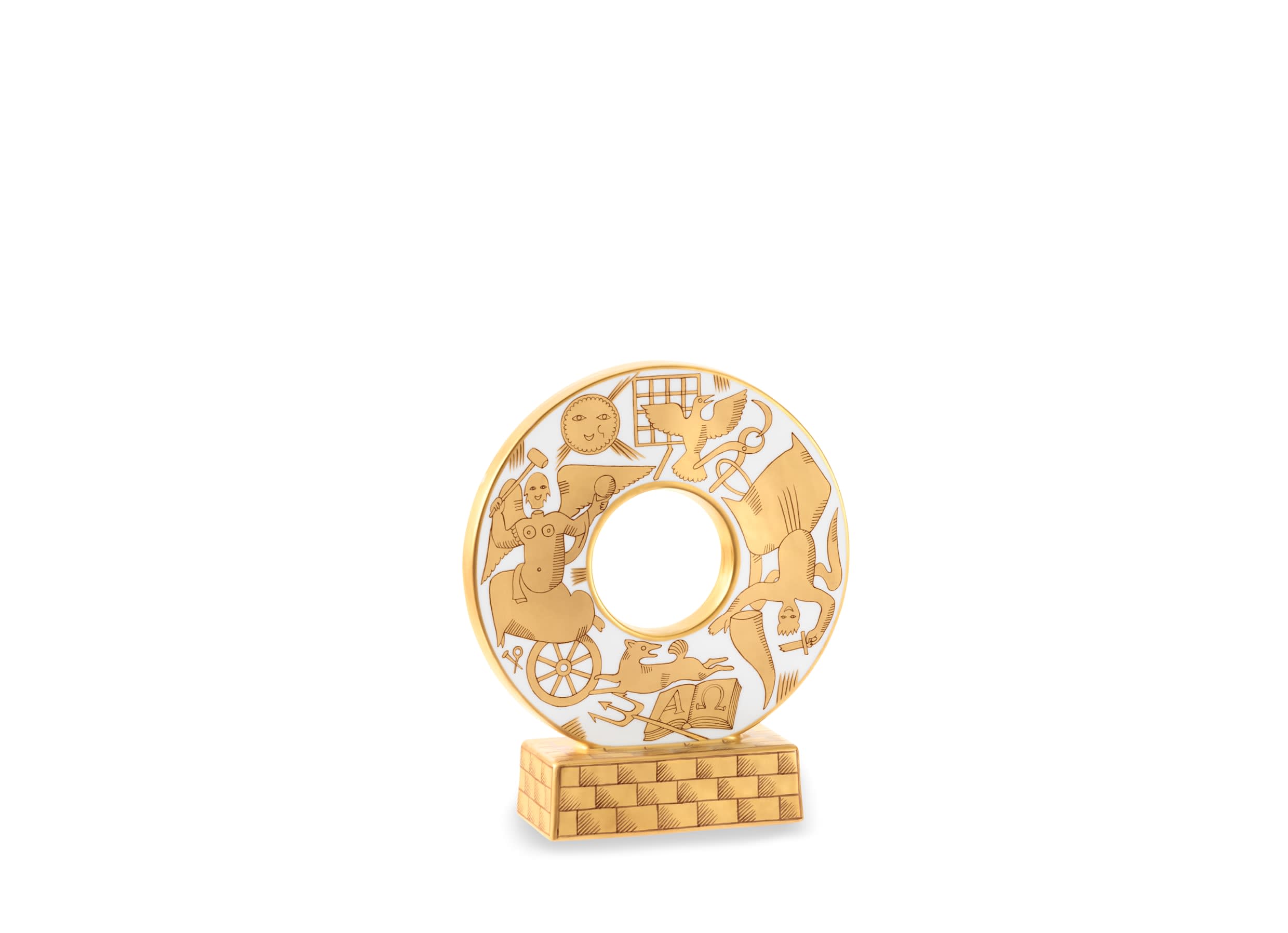

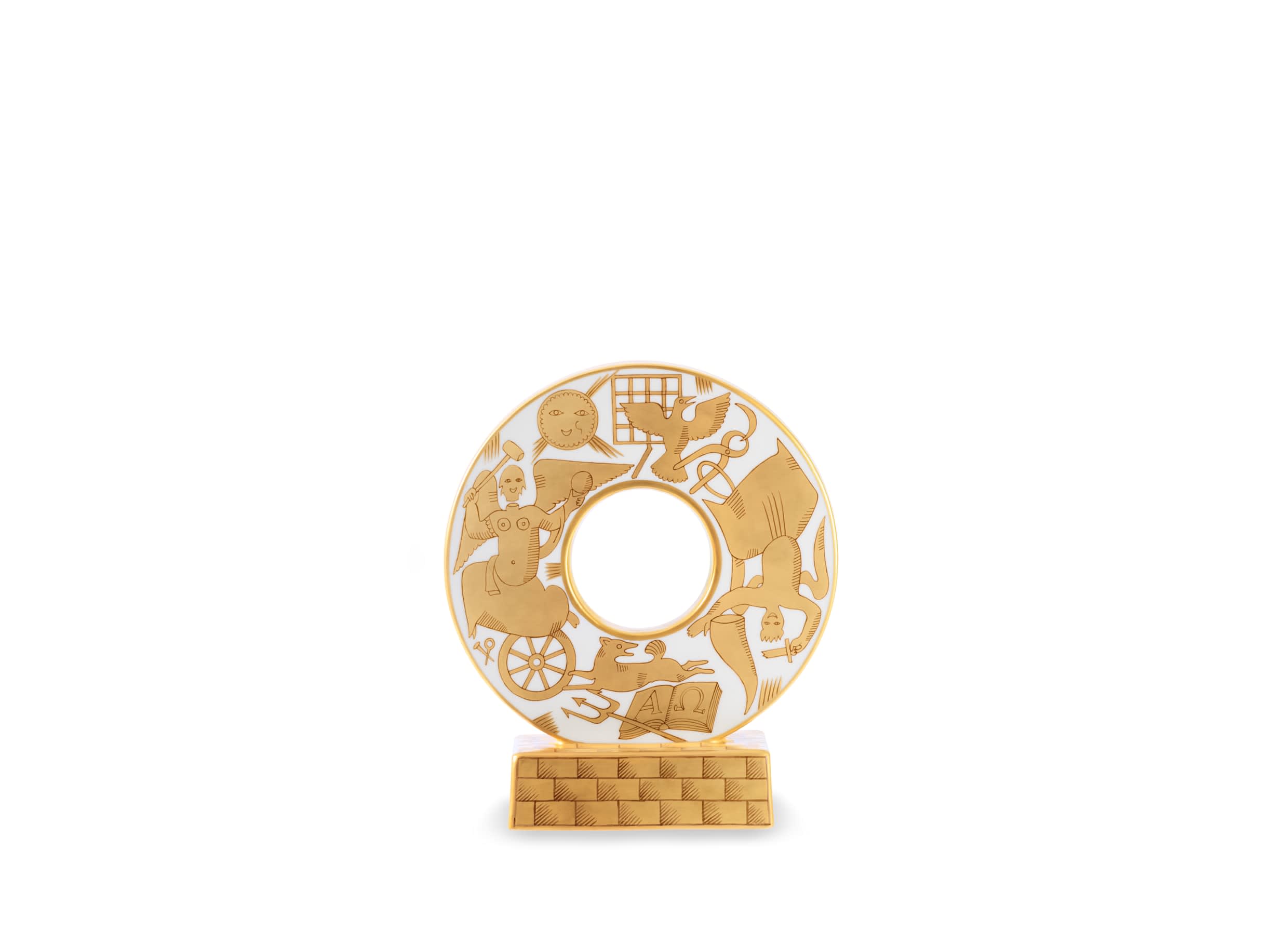
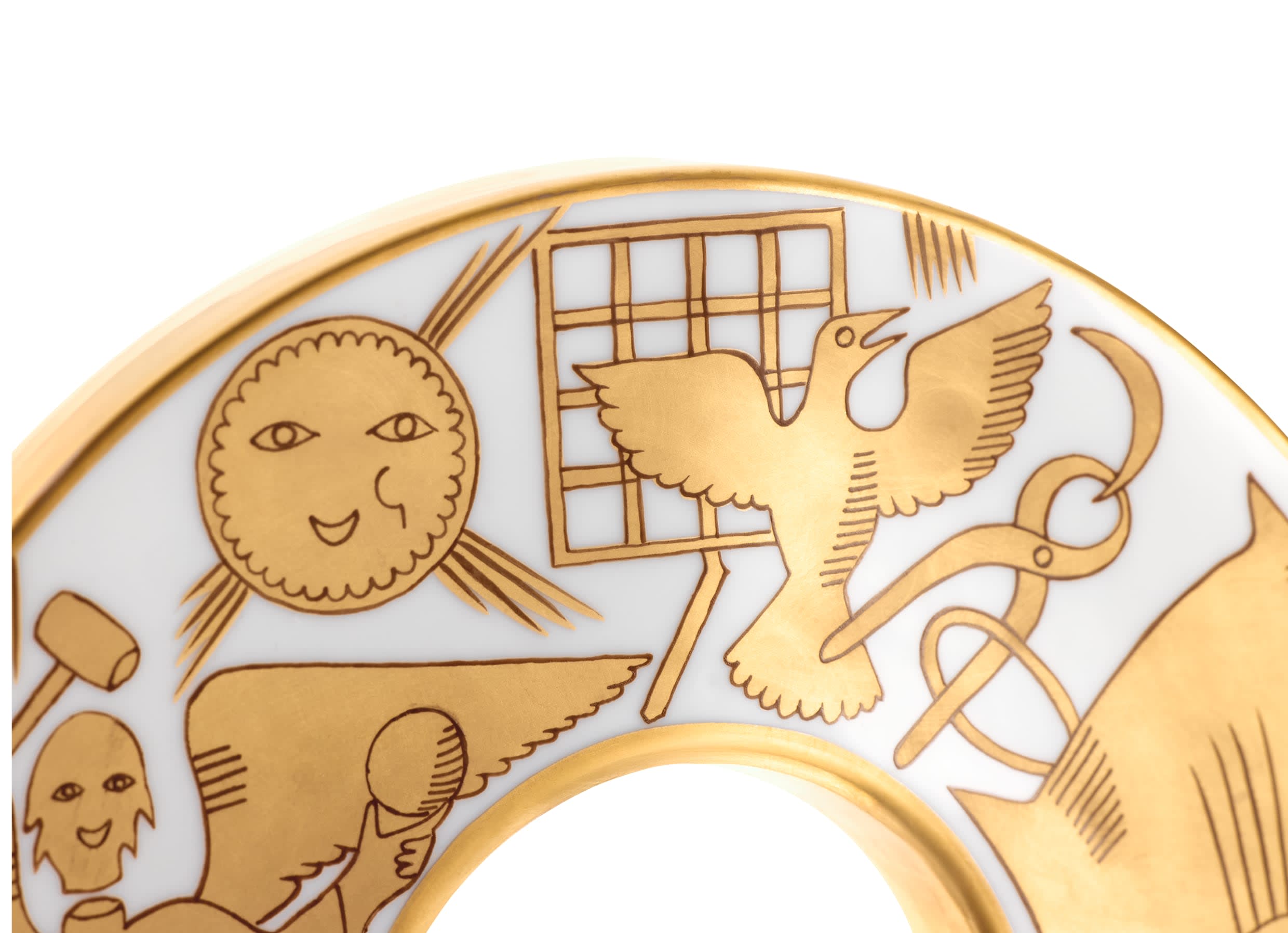
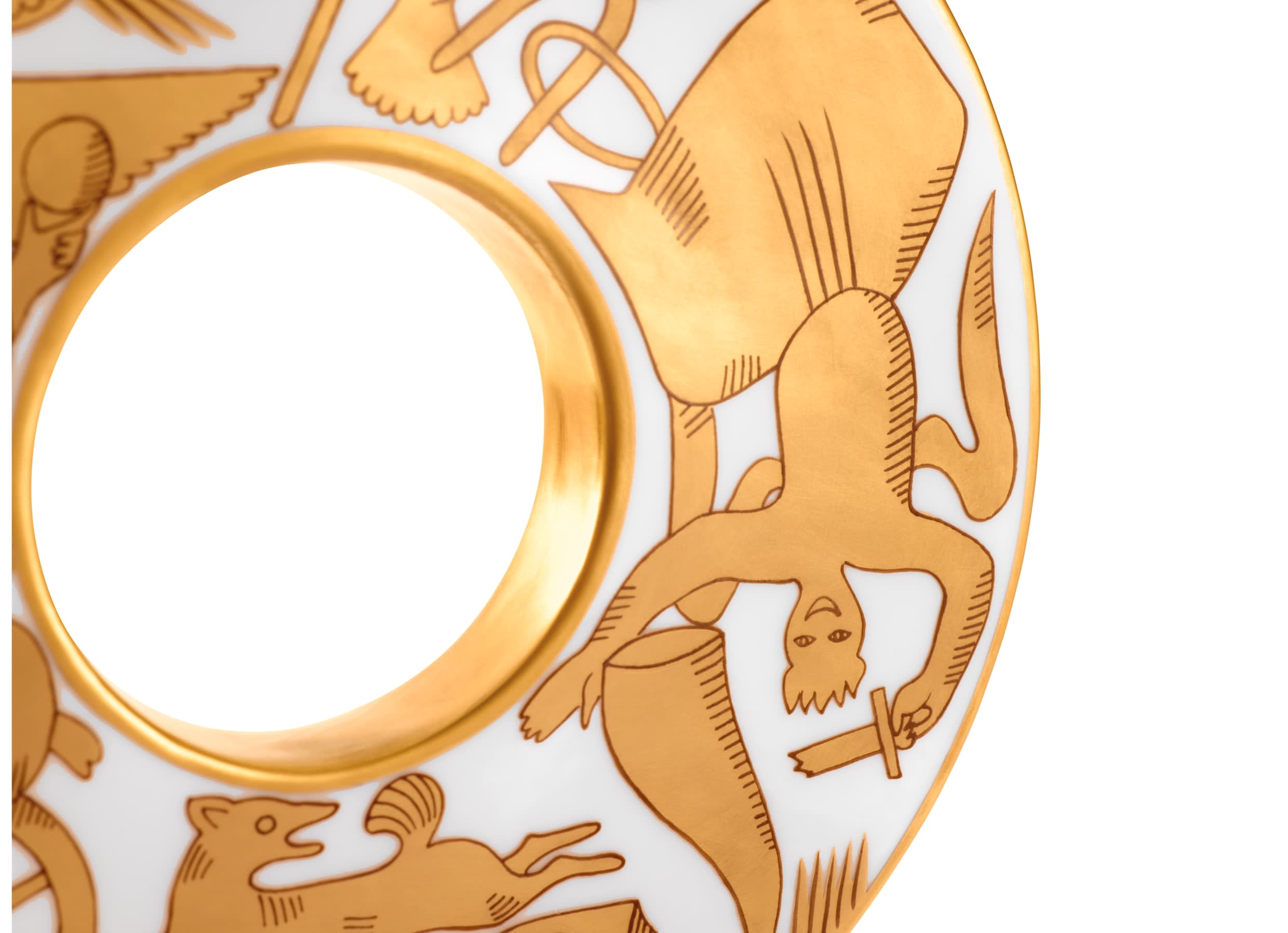
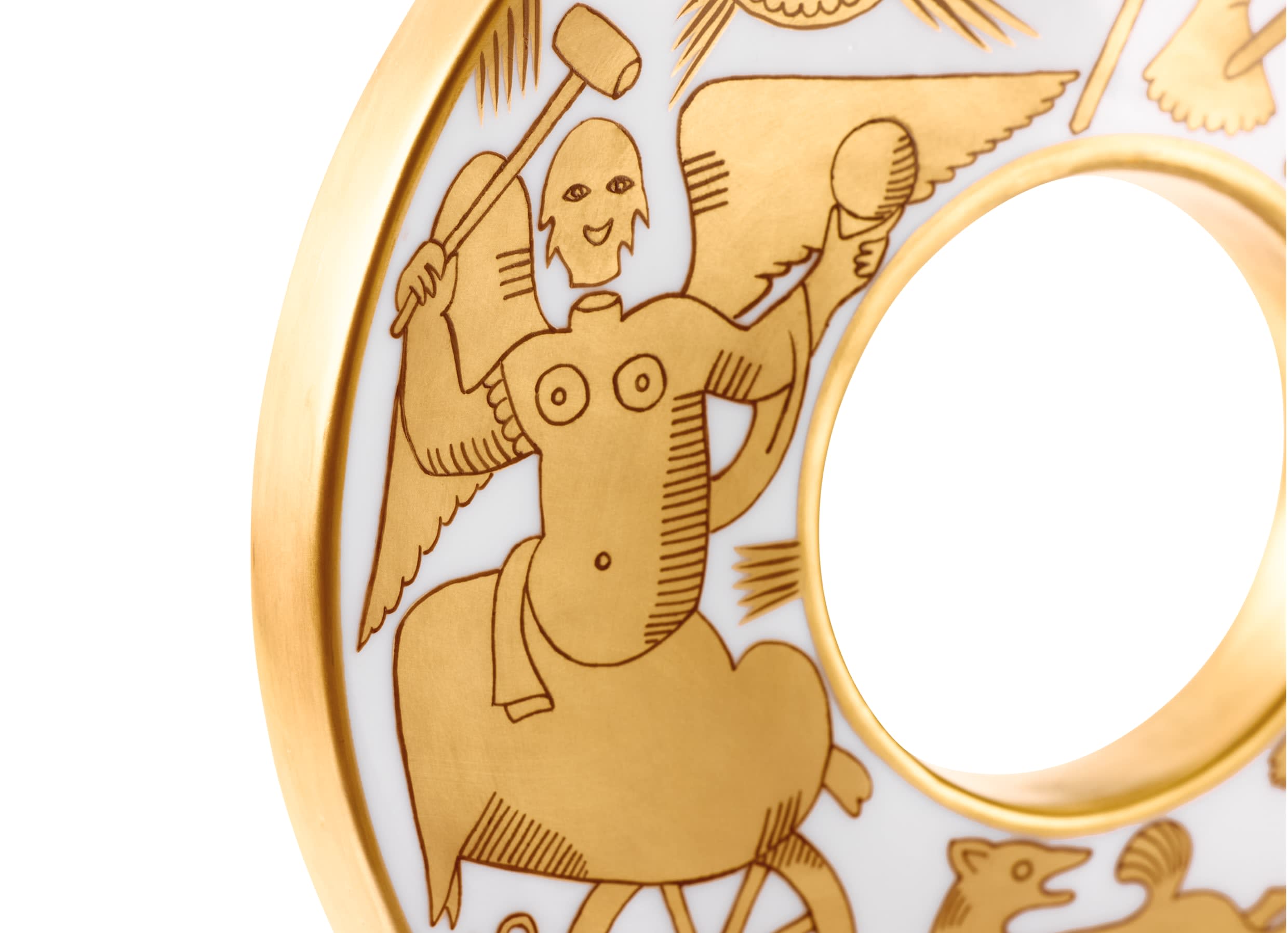


巨匠ジオ・ポンティの神聖なテーマに対するアプローチから生まれたのが、〈エゾルチズモ〉です。これは、ジノリ 1735のアルテ コレクションを一層豊かにする復刻作品です。手描きの装飾と金彩で仕上げられたオブジェには、様々な儀式の様子や秘教的なイメージが魅力的に描かれています。
このペーパーウェイトのようにもお使いいただけるオブジェの美しさとユニークさは、見る人すべての注目を集めることでしょう。どのような空間も、たちまち上質に演出することができるデザイン性の高い作品です。
〈エゾルチズモ〉にみられる象徴的要素と様式化された人物像は、ジオ・ポンティの創造的な才能を体現しており、今回、細部への細心の配慮をしつつ、歴史と伝統を組み合わせ、独占性、洗練性、優れたセンスがにじみ出るコレクターズ ピースとして復刻する運びとなりました。
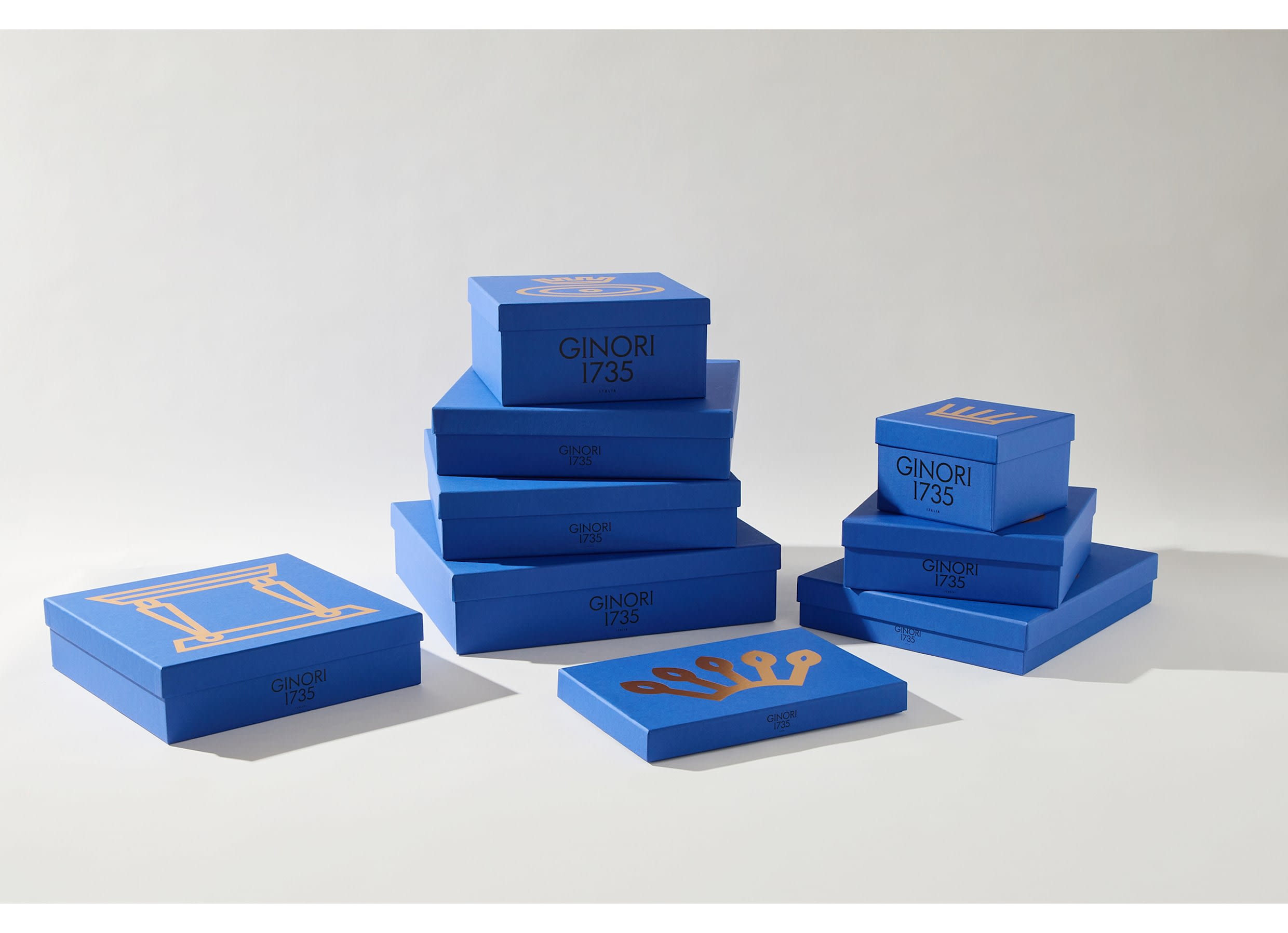
ジオ・ポンティのサインとシリアル番号が入り、ギフトボックス仕様となっておりますので、贈り物にもおすすめです。
エゾルチズモ ジオ・ポンティ アルテコレクションArte di Gio Ponti
巨匠ジオ・ポンティの神聖なテーマに対するアプローチから生まれたのが、〈エゾルチズモ〉です。これは、ジノリ 1735のアルテ コレクションを一層豊かにする復刻作品です。手描きの装飾と金彩で仕上げられたオブジェには、様々な儀式の様子や秘教的なイメージが魅力的に描かれています。
このペーパーウェイトのようにもお使いいただけるオブジェの美しさとユニークさは、見る人すべての注目を集めることでしょう。どのような空間も、たちまち上質に演出することができるデザイン性の高い作品です。
〈エゾルチズモ〉にみられる象徴的要素と様式化された人物像は、ジオ・ポンティの創造的な才能を体現しており、今回、細部への細心の配慮をしつつ、歴史と伝統を組み合わせ、独占性、洗練性、優れたセンスがにじみ出るコレクターズ ピースとして復刻する運びとなりました。
ジオ・ポンティのサインとシリアル番号が入り、ギフトボックス仕様となっておりますので、贈り物にもおすすめです。

Among the maestro's most original inventions the perforated disc with the Esorcismo pattern stands out, designed between 1928 and 1929. This unique form, embellished with gold decorations applied with agate-tipped tools, recalls the ancient Chinese bi, jade artifacts used in ceremonial and funerary rites. A clear sign of Gio Ponti's willingness to allude to sacred iconography, reinterpreting it with his unmistakable irreverent approach.
In the detail of the decor, one side features a radial pattern, while the other has a dense composition of stylized figures, some of which are recognizable. Among them, a book with the alpha and omega symbols, the sun, a rapier, a wheel, and other enigmatic elements emerge, creating a parody of ritual and esoteric images. This piece, like the others in the series, is entirely hand-painted with meticulous attention to the original design and is part of a limited numbered edition, signed by the artist on the base plate of the item.
During his decade of transformation into Richard Ginori (1923-1933), Gio Ponti produced an exceptional repertoire of designs that redefined modern porcelain, consolidating the Florentine maison's status as a world leader in artistic craftsmanship. In particular, he introduced a fascinating fusion of iconography and symbolism, transforming everyday objects into enigmatic and poetic works of art.
His designs, often characterized by an esoteric taste, featured enigmatic motifs arranged in unusual combinations, decorating a wide selection of porcelain pieces, from ashtrays and bowls to objects with less conventional shapes, such as the series of perforated discs, which evoke a sense of mystery by inviting free interpretation.
Gio Ponti's ability to draw on diverse cultural references, from Chinese artifacts to Italian mythology, while infusing them with his original and inventive spirit, redefined the decorative arts of the Ginori 1735 Manifattura and beyond. His work has bridged history and innovation, transforming functional objects into symbolic narratives and solidifying his reputation as a master of modern design.

A pioneer in his field, architect and designer Gio Ponti combined traditional craftsmanship and modern aesthetics with a forward-looking and versatile approach, laying the foundations of Italian design in the 20th century. His work transcended the boundaries of individual disciplines, making him one of the most influential figures of Italian modernism and an icon of the Renaissance. In addition to his collaboration with Ginori 1735, his contributions were not limited to the world of porcelain: his career flourished through innovative architectural projects interior design and founding the Domus magazine, which solidified his status as a cultural and artistic visionary for nearly six decades. His constant search for beauty has left a legacy that continues to shape the contemporary landscape, inspiring generations of architects and designers.

Maestro Gio Ponti's tenure as artistic director of Richard Ginori from 1923 to 1933 marked a phase of rebirth for the historic porcelain manufacturer.
At a time of deep crisis, Gio Ponti managed to infuse it with a new spirit of modernity, combining the Italian artisan tradition with industrial innovation. Under his leadership, Richard Ginori became a symbol of elegance, innovation, excellence and creativity beyond national borders.
The maestro's skill in blending classical motifs with contemporary design and introducing iconographic and symbolic elements led to the creation of works of art.
With foresight, Gio Ponti succeeded in his intent: to position the Manifattura as a leader in modern porcelain and decor, enabling it to acquire a strong global appeal, which it still retains today.


The most beautiful works born from the creative genius of the great Gio Ponti, our artistic director for an incredible decade between 1923 and 1933.
